
Electricity is the driving force behind industry.
But its failures represent the most costly and dangerous threat to any operation. In a manufacturing environment, unplanned downtime costs an average of 107,000 euros per hour, reaching staggering heights such as 2 million euros per hour in the automotive sector. When it comes to high-voltage systems, the equation is simple: a total electrical failure often costs ten times more than planned, preventive maintenance.
The majority of these disasters have a silent and insidious culprit: Partial Discharge (PD).
An invisible risk, a devastating impact
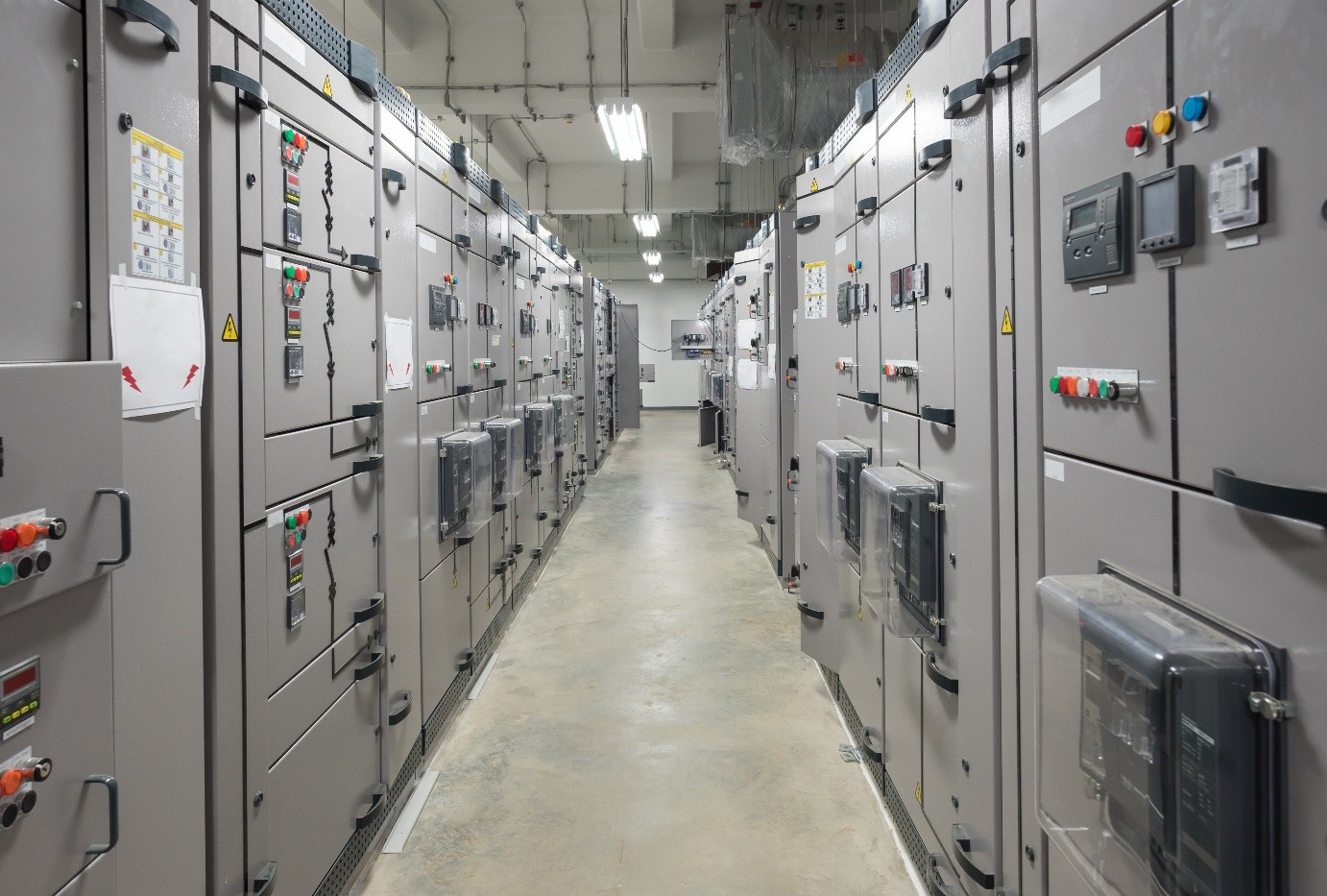
Partial discharge is a localized break in insulation, a “mini-short circuit” that does not cause the equipment to shut down immediately, but methodically and gradually destroys its internal components. These phenomena are the main cause of insulation degradation. Statisticians are categorical: up to 85% of critical and disruptive failures in medium- and high-voltage equipment are directly related to damage caused by PD.
These discharges manifest themselves in three distinct forms, each generating a unique ultrasonic signature:
- Corona: A breakdown of insulation in the air around high-voltage conductors, leading to progressive degradation of surfaces.
- Arcing: A continuous and intense discharge, often localized in loose or damaged contacts.
- Tracking: Tracking: The creation of a conductive path along the surface of the insulator.
Ignoring these signs is a dangerous strategy that leads, in the worst case, to a flashover and catastrophic failure, exposing personnel to life-threatening risks and the company to millions of dollars in losses.
The SDT340: Non-intrusive and safe diagnostics
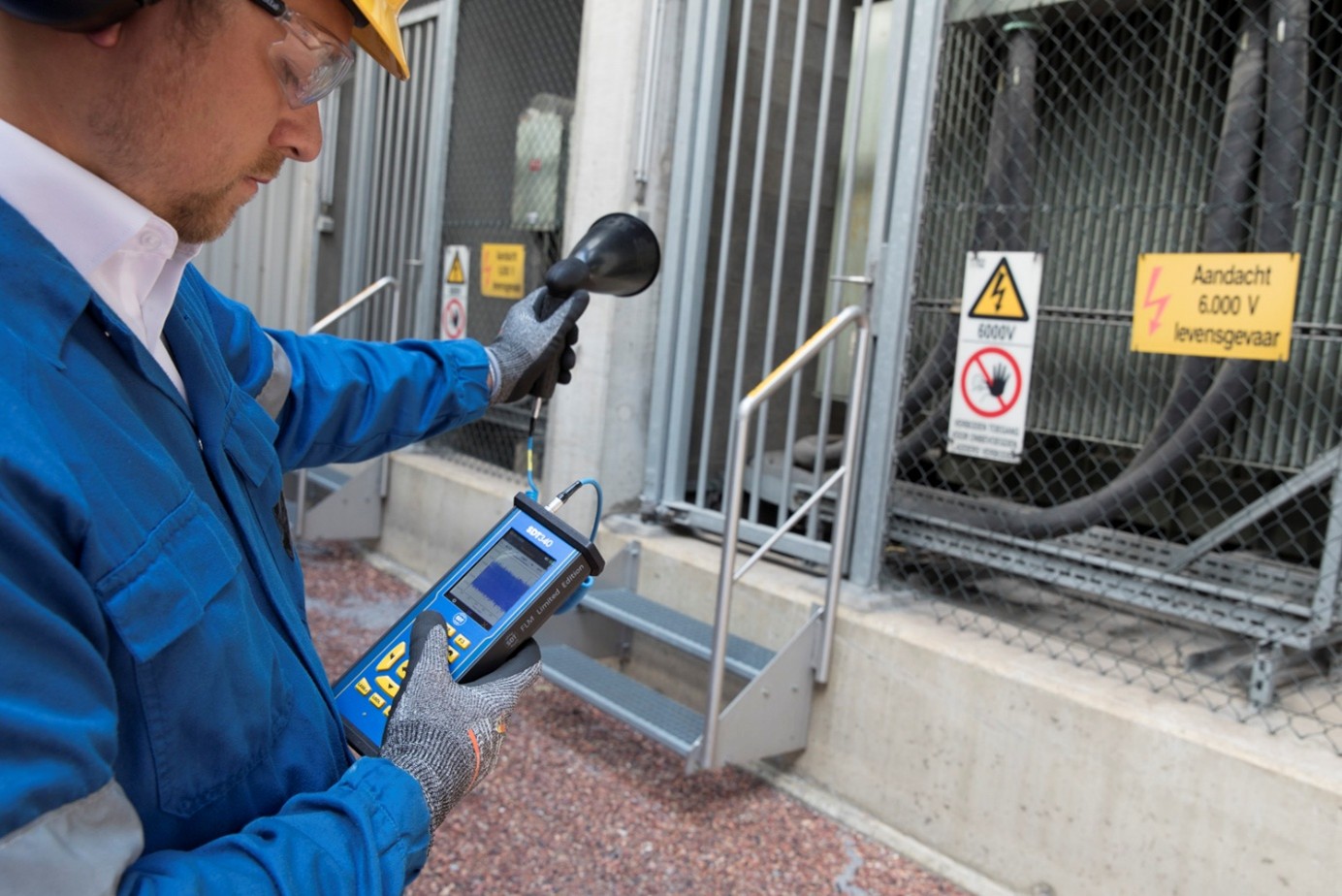
In light of this threat, electrical inspection using ultrasound with the SDT340 is the safest and most effective early detection tool available. Healthy electrical equipment is acoustically silent; however, any PD generates a localized, directional acoustic signal in the range of 20 kHz to 50 kHz. The SDT340, equipped with its high-performance air-coupled sensor, picks up this distinct hum before it causes a significant temperature rise or visible damage.
The major advantage lies in safety. Inspection is non-contact, allowing technicians to monitor electrical panels and live equipment remotely, minimizing exposure to high-risk environments.
The technological advantage for PD analysis
PD signals are ultra-transient events, lasting only nanoseconds to microseconds. To detect them and, more importantly, to analyze them reliably, the instrument must have exceptional capture capability. This is where the technical architecture of the SDT340 offers a decisive advantage:
- Focus Mode at 256 kHz: The SDT340 uses a maximum sampling rate of 256,000 samples per second. This rate, utilized by the proprietary focUS mode, is specifically optimized for identifying the shortest impact transients. This high signal resolution (HSR) allows you to “see defects that others simply cannot see,” ensuring that even the most subtle PD pulses are not missed.
- In-Field Real-Time Analysis: The SDT340’s large 3.5-inch color screen allows inspectors to immediately view the Time Waveform (TWF) and FFT Spectrum of the captured signal. With expansion and zoom functions, the team can diagnose the nature of the defect in the field, listing the 10 highest values in the spectrum to instantly identify the dominant frequencies.
- Data Integrity: The SDT340 can record waveforms up to 10 minutes in length for complex analyses. The data is stored on more than 4 GB of internal memory, then analyzed and trended using Ultranalysis® Suite 3 (UAS3) management software. This secure data chain eliminates the risk of human error or data loss, enhancing alarm reliability.
Case study: Discovering corona on a transformer
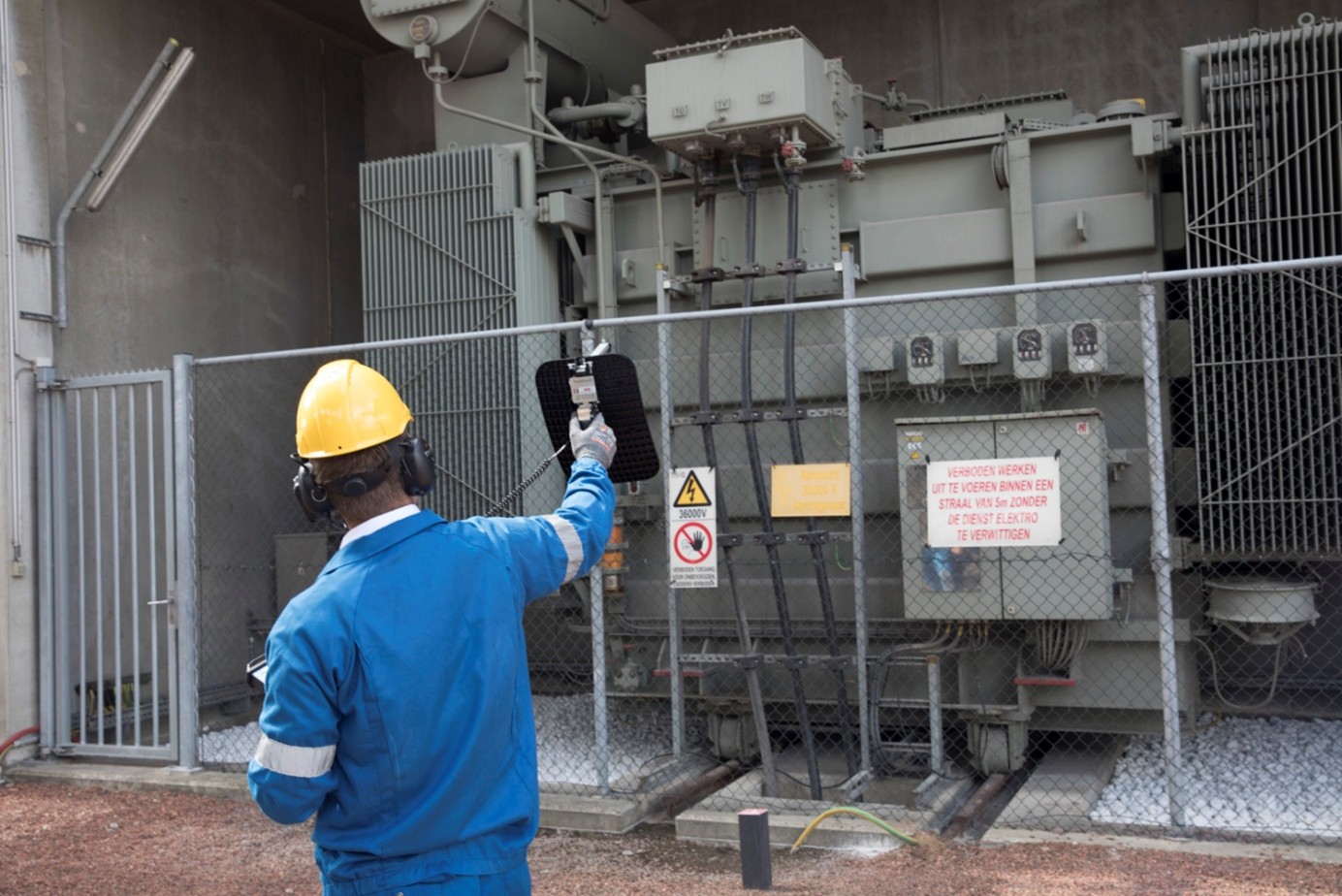
The effectiveness of the SDT340 in electrical environments is not just theoretical. A utility company in Europe, keen to improve the reliability of its high-voltage assets, has integrated the SDT340 into its inspection processes.
By scanning the vents and access points of a critical transformer, inspectors were able to detect the distinctive acoustic signal of the corona effect. This defect manifested itself in periodic shocks that gradually degraded the insulation. Thanks to early ultrasonic detection, the company was able to schedule a thorough cleaning of the transformer, halting the destructive degradation and avoiding a costly and potentially catastrophic failure.
Conclusion: Transforming electrical maintenance
Integrating the SDT340 for partial discharge detection is a strategic investment that translates directly into ROI. By identifying electrical faults at their earliest stage, companies ensure the safety of their employees, protect assets worth millions, and guarantee production continuity. The SDT340 doesn’t just detect noise; it provides the intelligence needed to transform electrical maintenance from a reactive expense into a powerful profit driver.